
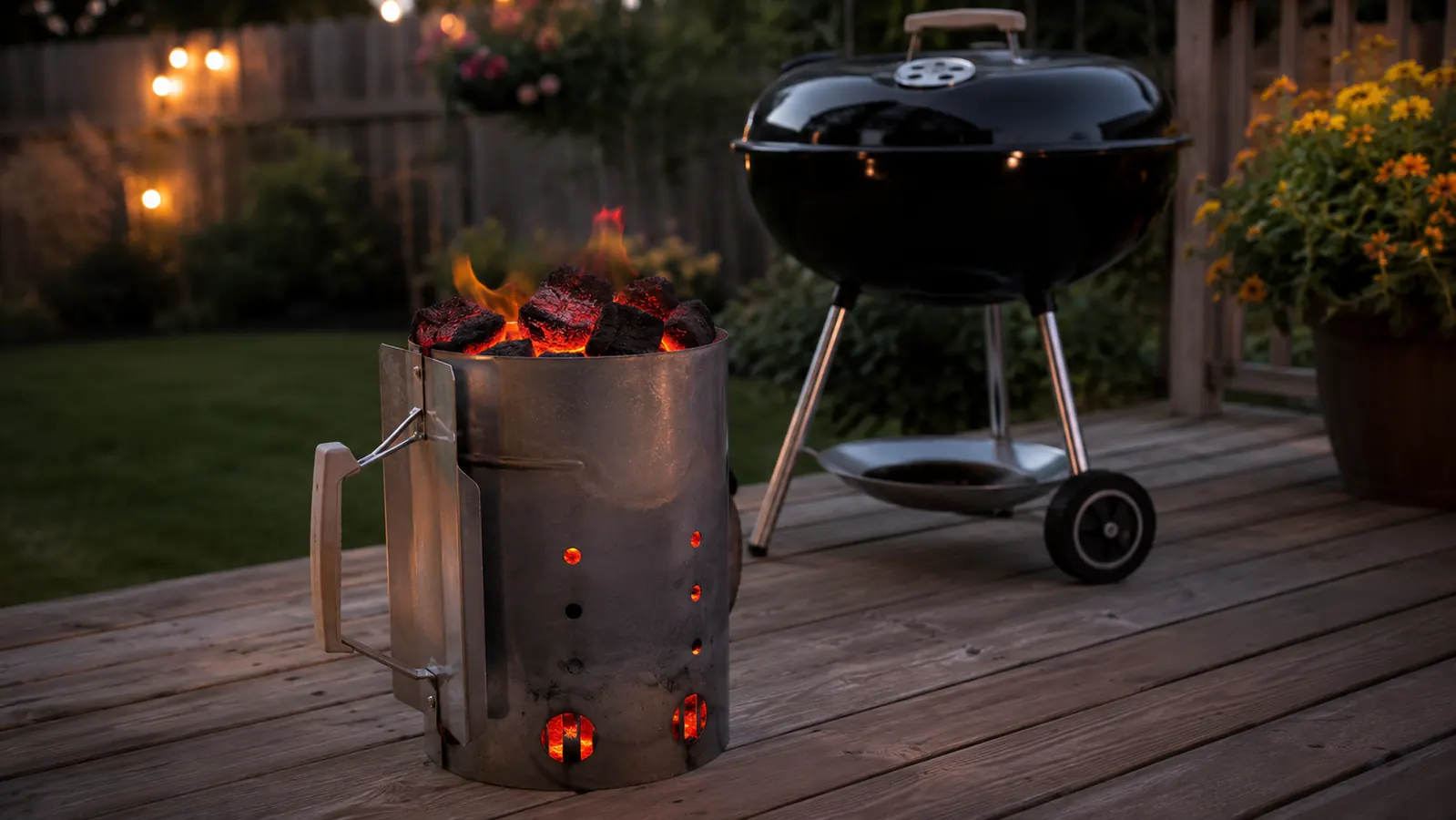
I've burned through more bags of charcoal than I can count over eleven seasons on this deck, and when people ask whether they should buy lump charcoal or charcoal briquettes for their kettle, I give a straight answer: for most everyday cooks, buy the briquettes. I keep a bag of Kingsford Original Charcoal Briquettes on the shelf next to my 22-inch kettle right now, and it's not because lump doesn't have real advantages, it does. But for a guy grilling most weekends for six to eight people, briquettes win the practical argument almost every time.
Lump charcoal burns hotter at its peak, leaves less ash, and skips some of the additives that go into a manufactured briquette. I've cooked plenty of steaks over lump for that extra sear, no argument there. But hotter and cleaner isn't the same as more useful, and for the long, repeatable cooks that fill most of my Sundays, I've written about why the Kingsford bag earns its spot. Here are ten reasons briquettes are the better default fuel for everyday grilling.
Same fuel I reach for before almost every weekend cook.
If you're tired of guessing how long your charcoal will hold heat, or emptying half a chimney of lump dust into the grass, the fix might just be switching your default bag. Current price on Amazon, with free Prime shipping in most areas.
Amazon Check Today's Price on Amazon →You Can Predict the Burn Time Before You Light the Chimney
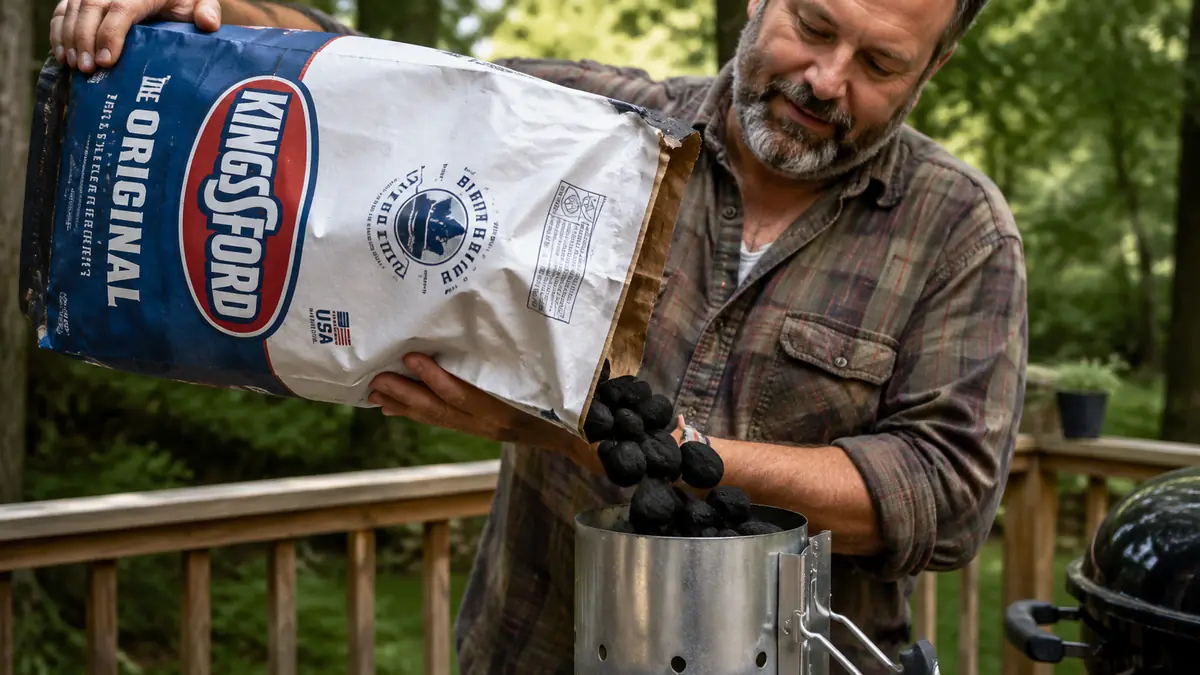
Every briquette in a bag of Kingsford Original Charcoal Briquettes is pressed to roughly the same size, so a full chimney behaves close to the same way every time I light it. Lump is cut from real hardwood, so pieces range from fist-sized chunks to gravel, and burn time swings with them. Running a three-hour cook for six to eight people, I need to know whether I'll need a second load at the two-hour mark, and briquettes give me a number I can plan around. I cover the exact breakdown in this piece.
Even Sizing Means Even Heat Across the Grate
A hot pocket under one half of the grate and a cool spot under the other is one of the more annoying things that can happen mid-cook, and it happens more with lump because the pieces settle unevenly. Briquettes stack more uniformly, so the coal bed under a full rack of chicken thighs stays level edge to edge. On a normal Sunday I'm also talking to whoever showed up, not babysitting the fire, and a forgiving bed of coals matters more than it sounds like it should.
Cheaper Per Hour of Cook Time
Lump usually costs more per pound than briquettes, and because chunk sizes vary you burn through more of the bag to fill the same firebox. Briquettes pack tighter, with less wasted space between pieces, so a chimney load stretches further. Over eleven seasons of near-weekly cooking, that difference adds up to real money. I'm not chasing the cheapest bag on the shelf, I'm weighing cost against how many actual cooks I get out of it, and briquettes come out ahead almost every time.
You Can Buy It Anywhere, Not Just at a Specialty Store
Every grocery store, hardware store, and gas station charcoal aisle near me carries briquettes. Good hardwood lump is hit or miss outside a dedicated grilling shop, and I've driven to three stores on a Saturday looking for a decent bag before giving up and grabbing briquettes instead. A fuel you can restock on the way home from work beats one you have to plan a special trip for.
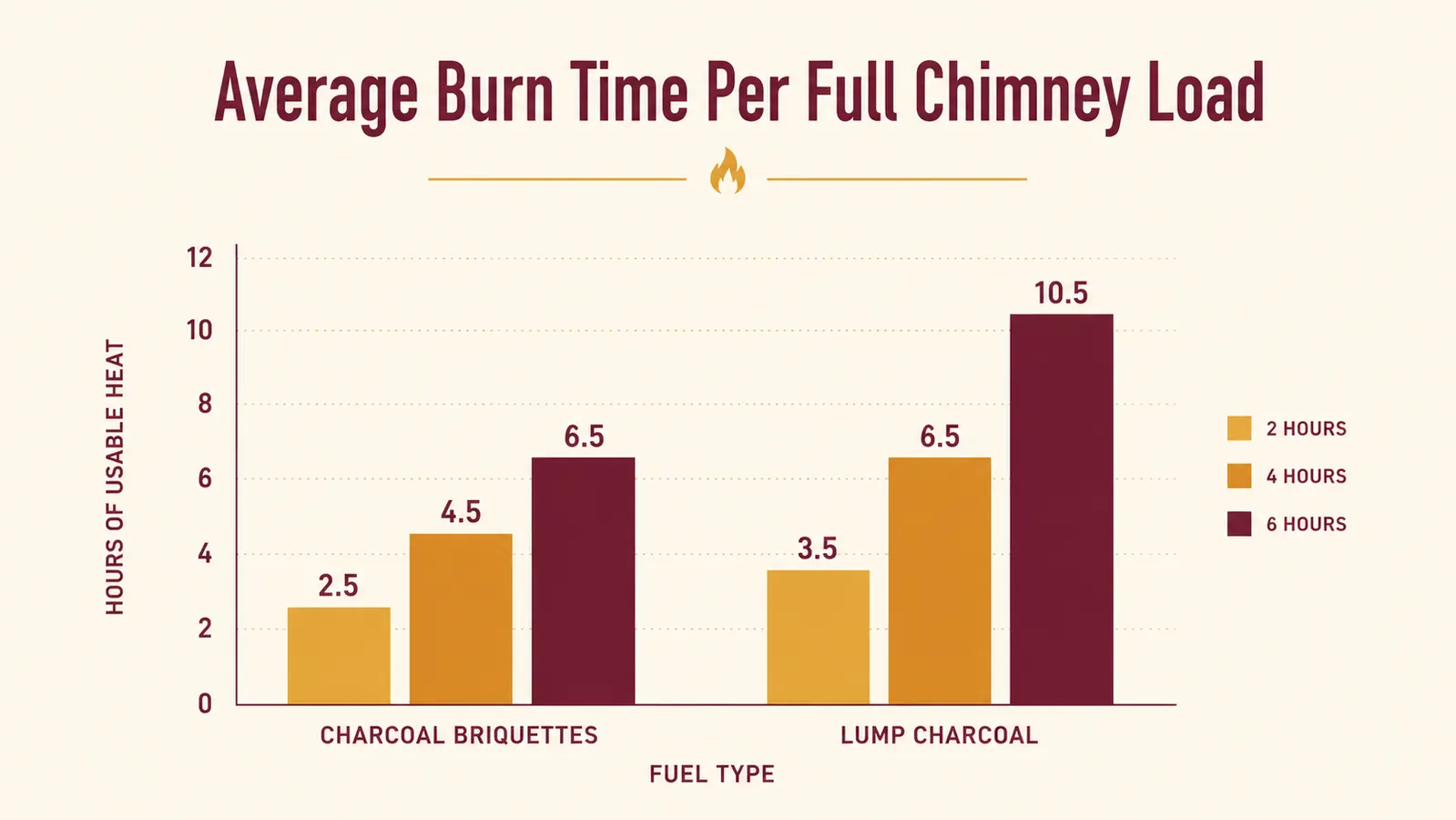
The Minion Method Actually Behaves the Way the Charts Say It Will
Long, low, and slow cooks depend on a steady burn spreading through an unlit ring of fuel one piece at a time. That method was basically built around briquettes. With lump, uneven piece sizes mean the fire can jump ahead in one spot and stall in another, throwing off temperature control on a six-hour smoke. I've run overnight cooks on my small offset smoker using this approach with briquettes as backup fuel, and the burn rate matched what I expected almost to the minute.
Fewer Surprises When You're Cooking for a Crowd
When six to eight people show up at 4pm expecting food, the last thing I want is an unpredictable fuel. Briquettes are manufactured to a consistent formula batch after batch, so this weekend's bag behaves like last month's. That consistency is worth more than a slightly hotter sear when there are real plates on the line and no room for a fire that misbehaves halfway through.
Less Skill Required to Get a Good Result
Lump rewards experience. You learn to read piece size, adjust airflow on the fly, and compensate for a fire that runs hotter than expected. Briquettes are more forgiving for that exact reason, predictable enough that a newer cook can follow a basic vent-and-time guide and land a good result on the first try. I still tell people starting out to learn on briquettes before graduating to lump, the same way I'd tell someone to learn on an automatic before worrying about a clutch.
It Holds Up Fine Even When the Bag Sits in the Garage All Winter
I keep a bag of briquettes in a dry bin near my kettle through the cold months, and it lights just as reliably in March as it did in September. Lump can get chalky or start crumbling if humidity gets to it during storage, and once pieces break down that unevenness problem gets worse. A fuel that stays consistent on the shelf, not just in the firebox, matters for anyone who cooks year round the way I do, including through winters that drop into the teens.
It Plays Well With a Two-Zone Setup
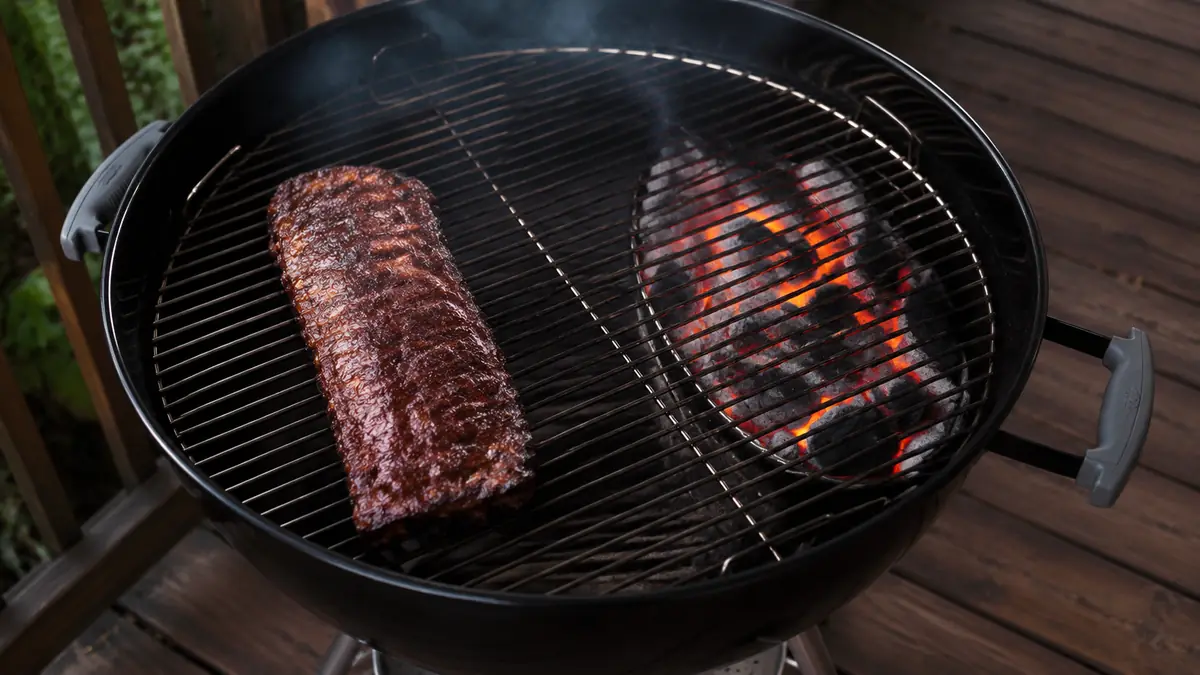
Most of my cooks use a two-zone fire, hot coals banked on one side of the kettle for searing, nothing on the other for finishing over indirect heat. Briquettes hold a steady temperature on the hot side longer without constant adjustment, so I can sear, then move a rack of ribs to the cool side and trust the fire is still doing its job twenty minutes later without me hovering over it.
Less Ash Cleanup Than People Expect, and Easier to Manage
Briquettes do produce more ash than lump, that part is true and I won't pretend otherwise. But it's fine and powdery, and falls through the kettle's vents cleanly instead of clumping the way leftover lump chunks sometimes do. Cleanup after a Sunday cook for six to eight people takes about five minutes with the ash tool, and I'd rather deal with a little more fine ash than dig half-burned lump chunks out of the grill before the next cook.
What I'd Skip
What I'd skip is treating this as an all-or-nothing decision. I still keep a small bag of lump around for the occasional high-heat steak sear, because lump still gets to the highest peak temperature fastest and leaves less ash behind. What I don't do anymore is default to lump for a normal weekend cook, a low-and-slow smoke, or anything where the fire needs to behave the same way three hours from now as it does right now. That's the job Kingsford briquettes handle, and for the bulk of what actually happens on this deck, that's most of my cooking.
Lump charcoal is the fuel I reach for when I want the hottest fire I can build. Charcoal briquettes are the fuel I reach for when I need to trust that fire for the next three hours.
The bag I restock without thinking twice about it.
If your last grilling season was full of fires that ran hot, then cold, then died an hour early, a steadier fuel might be the actual fix, not a better grill. Current price on Amazon, still one of the more affordable ways to upgrade a cook.
Amazon See the Kingsford Charcoal Briquettes on Amazon →