
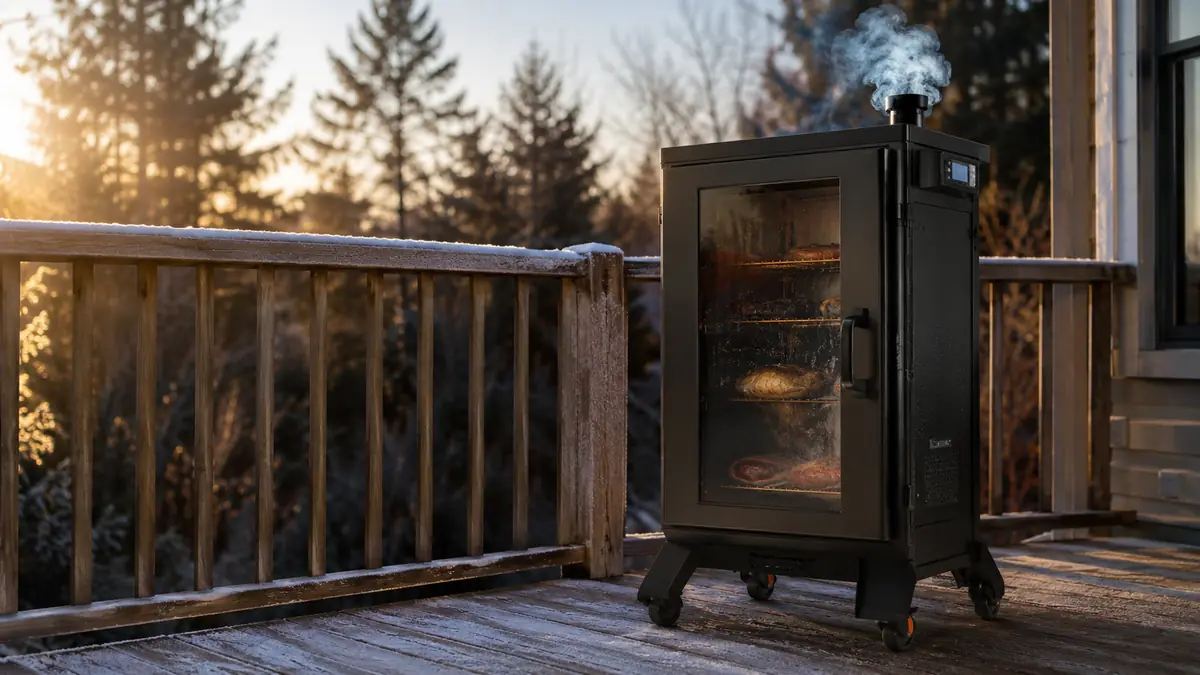
I bought the Masterbuilt 30-inch electric smoker in February, on a Tuesday when the thermometer on my back deck read nineteen degrees and I'd just spent forty minutes fighting a chimney starter that refused to catch in the wind. Eleven seasons of backyard cooking on a 22-inch charcoal kettle and a small offset smoker had taught me plenty about patience, but that cold snap taught me I wanted something that didn't need fuel tending every forty-five minutes just to hold temperature. The Masterbuilt showed up three days later and it's been living on my 12-by-14 back deck next to the kettle ever since.
This isn't a spec sheet rewrite. I've run this smoker through six months of real Sunday cookouts, feeding six to eight people more times than I can count, through a wet Pennsylvania spring, a sticky summer, and plenty of overnight cooks where I lost track of how many bags of wood chips I burned through. Here's what held up, what didn't, and where the Masterbuilt Electric Smoker earns a permanent spot on a deck that already had two other cookers before it showed up. If you're deciding between this and a charcoal option, I've laid out a straight comparison in Masterbuilt vs the Weber Smokey Mountain that covers the tradeoffs in more detail.
The Quick Verdict
A reliable, low-maintenance electric smoker that nails long, unattended cooks, with a thin door seal and an optimistic temperature dial as the two things worth knowing before you click buy.
Amazon Check Today's Price →Done Babysitting a Fire Just to Get Dinner on the Table?
The Masterbuilt 30-inch Electric Smoker holds a set temperature for hours without you standing over it. Check today's price on Amazon before this batch sells through.
Amazon Check Today's Price on Amazon →How I've Used It
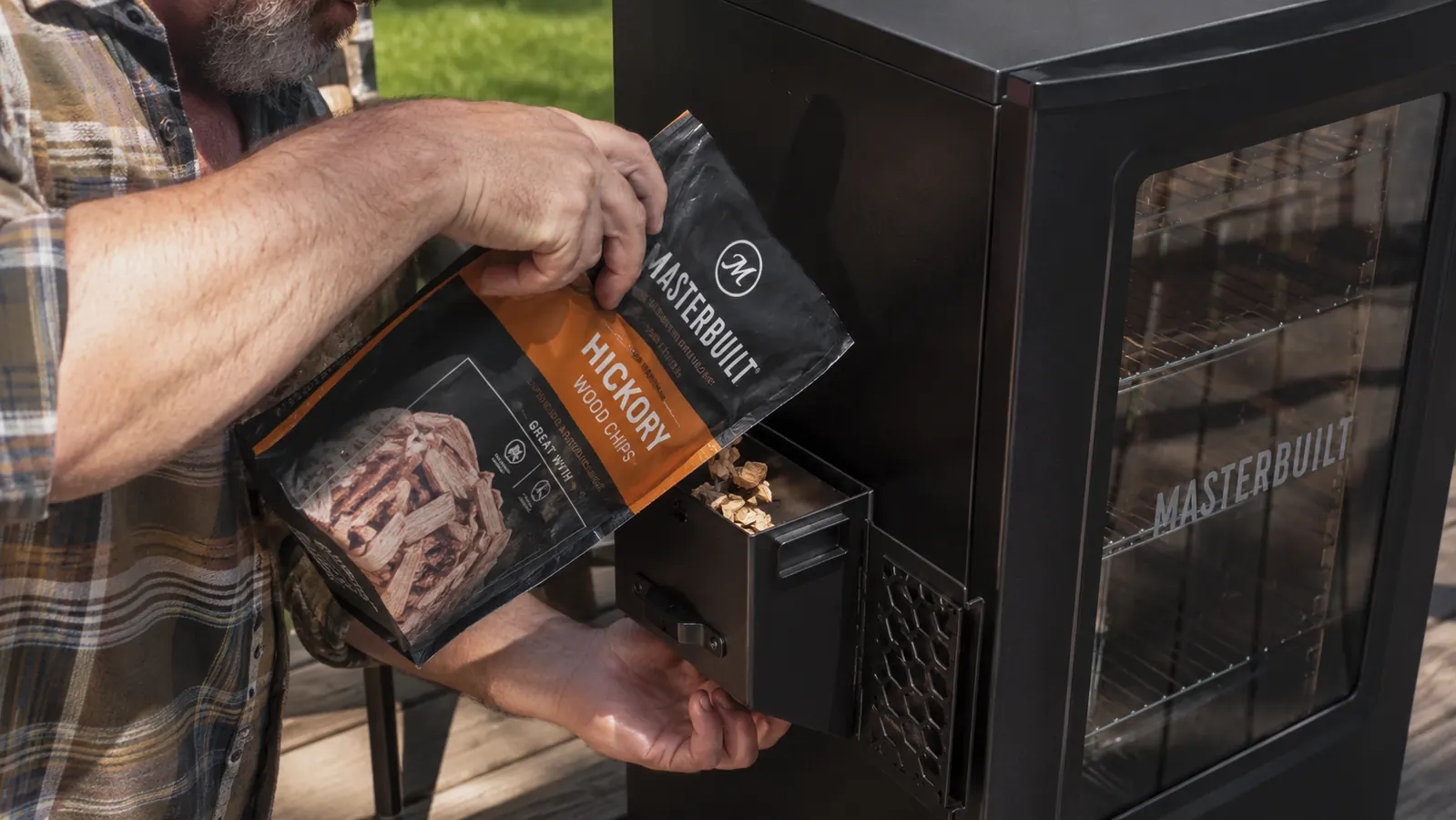
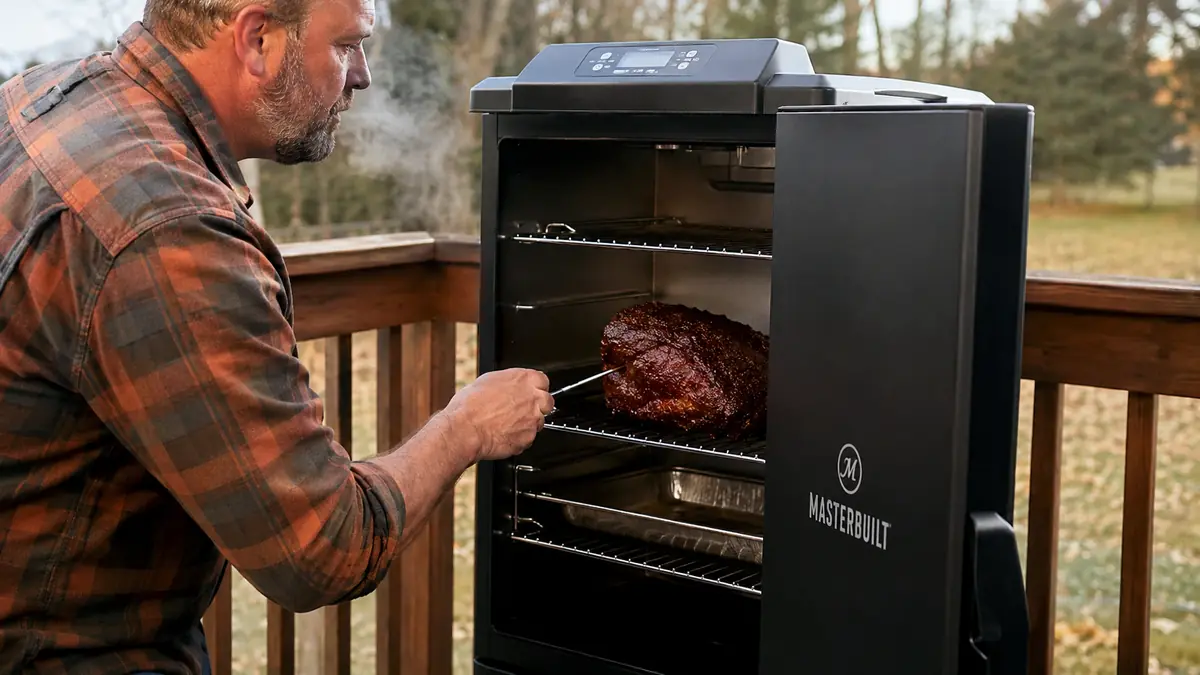
My first cook was a pork shoulder, the safest test I know for a new smoker because it forgives almost any mistake you make while you're learning the controls. I loaded the Masterbuilt with a water pan, filled the side chip loader with hickory, set the analog dial to 225°F, and walked away to split firewood for the offset smoker instead. Four hours later I checked the internal temperature and it was sitting at 198°F, right where it needed to be, without a single adjustment from me.
The bark on that first pork shoulder surprised me. I'd read that electric smokers produce a thinner bark than charcoal or wood because the smoke source burns cooler and drier, and I expected something soft on the outside. Instead, after four hours with hickory chips reloaded twice, the shoulder pulled apart with a real dark crust, not the pale, steamed look I was bracing for. It wasn't identical to what comes off my offset smoker, but it was closer than I expected walking in.
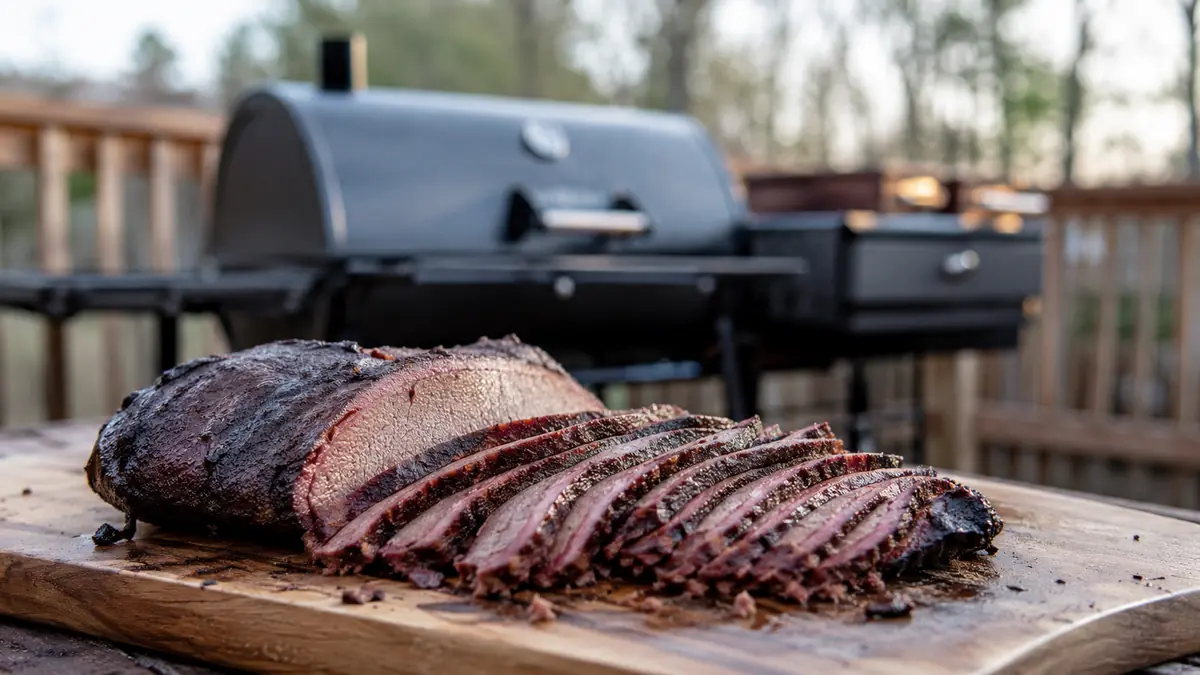
Since then the Masterbuilt has cooked ribs on a rainy Saturday, a full brisket over fourteen hours through a night that dropped into the thirties, chicken wings for a game day when I needed the kettle free for something else, and salmon, which I never would have attempted on the offset because the temperature swings there are too wide for something that delicate. It's become the smoker I reach for when I know I won't be standing on the deck the entire time.
The 535 square inches of cooking area across the racks is enough for two full racks of ribs and a pork butt at the same time, which mattered the one Sunday I had both on the menu for six to eight people and didn't want to run two cooks back to back. The Masterbuilt handled the load without the temperature dropping more than a few degrees when I opened the door to rotate racks.
Inside the Cabinet: Build and Temperature Control
The cabinet is painted steel, not stainless, and after six months outside on my deck through spring rain and summer humidity it's held its finish better than I expected for a smoker in this price range. There's a little surface rust starting on the bottom of the door hinge where water pools if I don't wipe it down, which is on me for not covering it as consistently as I should.
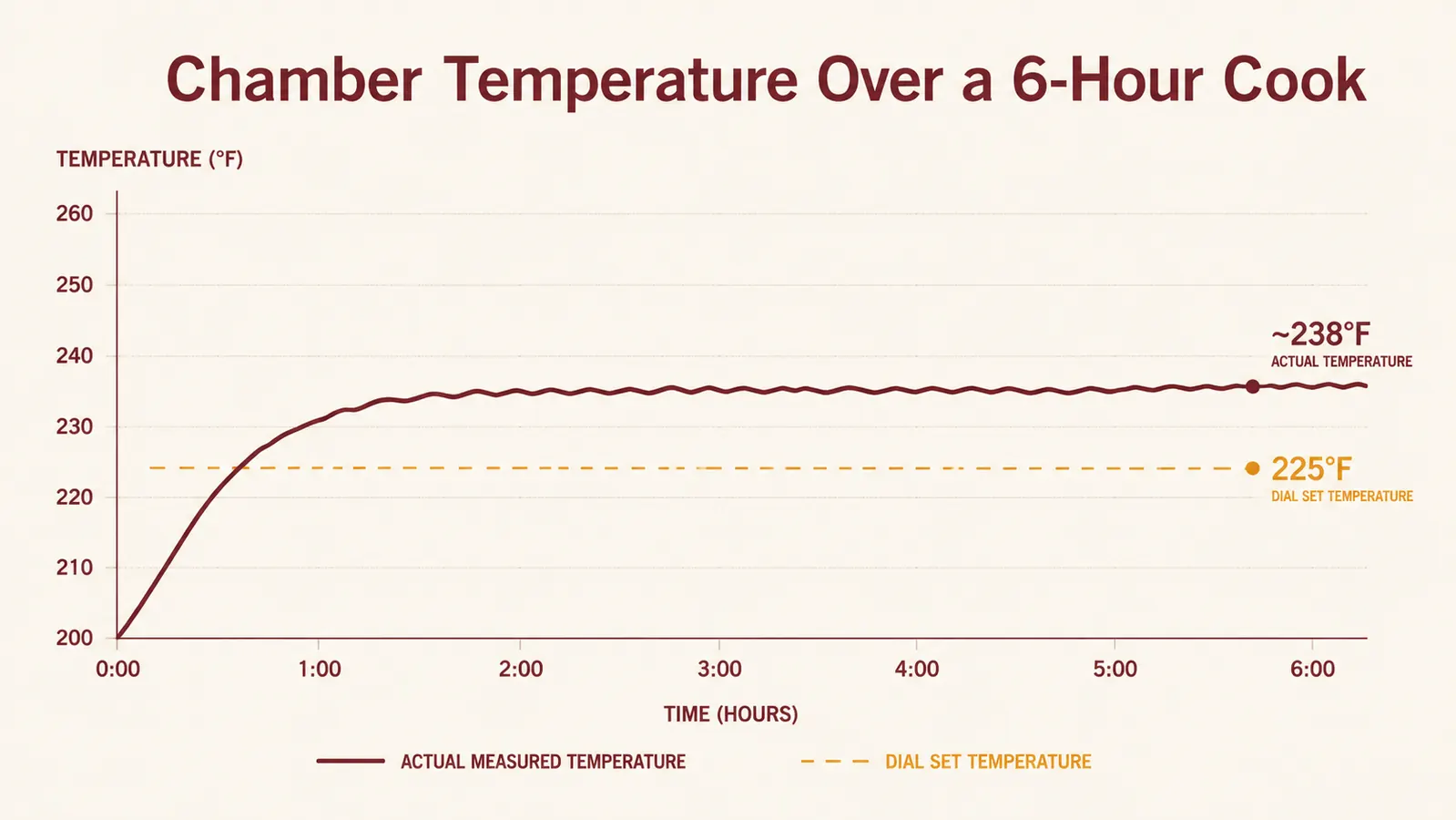
Temperature control is the analog dial, no app, no Bluetooth, no firmware to update. I've come to prefer this after years of gadgets that promise convenience and then need an update mid-cook. The dial itself runs a little optimistic. Set it to 225°F and the actual chamber temperature, verified with a separate probe thermometer I clip to the top rack, usually settles closer to 235°F to 240°F. It's consistent enough that once you know the offset, you just dial it back ten to fifteen degrees and you're fine. I wish Masterbuilt had calibrated it tighter out of the box, but it's a known quirk, not a defect.
The chrome racks are sturdy and haven't warped, which is more than I can say for a cheaper smoker I used to borrow from a neighbor. The chip loader on the side lets you add wood without opening the main door and losing heat, and the water pan slides out the front for cleaning without pulling any racks.
Six Months on the Deck: How It's Held Up
I run the Masterbuilt roughly every other weekend, sometimes more when I'm testing recipes. Across six months that puts it somewhere around forty cooks, ranging from a two-hour batch of wings to that fourteen-hour brisket. The heating element has never failed to hold temperature, even on the handful of days our Pennsylvania weather swung from a 40°F morning to a 70°F afternoon partway through a cook.
The door seal is the one component I'd flag for anyone expecting the same tight, insulated feel as a heavier kamado grill. It's a thin gasket, and on windy days I've noticed a slight temperature dip that the element recovers from within ten minutes or so, but it's noticeable if you're watching the probe closely. It's not a dealbreaker. It's just not the same class of build as my offset smoker, which is heavier, thicker steel entirely.
The wheels on the base are small and don't love uneven ground. My deck boards have a slight gap between them, and the front left wheel has caught on that gap more than once when I've rolled the Masterbuilt over to sweep underneath it. It's a minor annoyance, not something that's affected a single cook.
Maintenance beyond that has been minimal. I wipe down the exterior monthly, empty the grease tray after every two or three cooks, and once a season I pull all the racks and give the interior a real scrub. Six months in, the heating element still ramps up to temperature exactly as fast as it did on day one, which is the piece of hardware I was most worried about failing.
Wood Chips, Water Pan, and the Small Stuff That Matters
The side wood chip loader holds a small handful at a time, which means on longer cooks like that fourteen-hour brisket I was refilling it every forty-five minutes to an hour if I wanted consistent smoke the whole way through. That's more attention than the marketing suggests you'll need to give it, though it's still a fraction of the attention my offset smoker demands. For anyone coming from charcoal, it will still feel like a vacation.
Flavor-wise, the smoke the Masterbuilt produces reads a little lighter than what I get from the offset, which makes sense given how much less airflow is moving through the cabinet. On ribs and chicken it's plenty. On a full brisket I've started running slightly more chips than the manual suggests, loading the tray a touch fuller on each refill, and that's closed most of the gap for my taste.
The water pan does real work keeping the meat from drying out during long cooks, and I've settled into a habit of checking it around the halfway mark on anything over six hours. On the brisket cook it needed one refill. On shorter cooks like ribs or wings, it never ran dry. Cleanup afterward is straightforward: the pan slides out, wipes down, goes back in. No crawling under a firebox scraping ash the way I do with the offset.
Where It Falls Short
If you want a smoker that sears, this isn't it, and Masterbuilt doesn't claim otherwise. The heating element tops out around 275°F, which is plenty for low-and-slow work but leaves you reaching for a separate grill if you want a hard sear on anything. I still fire up the kettle for that.
The other real limitation is portability. At the weight and footprint of this unit, it's not something I'd load into a truck bed for tailgating the way I would a smaller propane setup. It's a deck smoker, built to stay put, and once you've run an extension cord out to it and dialed in your spot, moving it becomes a two-person job.
Capacity is generous for a Sunday cookout but there's a ceiling. The one time I tried to smoke two pork shoulders and a full rack of ribs at once for a larger gathering, the middle rack came out noticeably slower than the top and bottom because airflow through a packed cabinet isn't as even as an offset with more open space. I've since learned to stagger bigger cooks rather than stack the cabinet full.
What I Considered Instead
Before buying, I looked hard at a Weber Smokey Mountain, which is the charcoal alternative most people mention in the same breath. It's a fine cooker, and if you want the deeper, more traditional smoke flavor that only comes from actual charcoal and wood, it has an edge there. But it also asks for the same fuel management I already get from my kettle and offset, and I bought the Masterbuilt specifically to avoid adding a third cooker that needed that kind of attention. I broke down the full side-by-side in Masterbuilt vs Weber Smokey Mountain if you're trying to decide between the two.
I also considered a pellet grill, which offers similar hands-off convenience with more precise digital control. What kept me on the Masterbuilt was simplicity. Fewer electronics means fewer things to fail, and after eleven seasons of cooking outdoors through winters that drop into the teens, I've learned to trust the equipment with the fewest points of failure. If you're weighing why an electric smoker beats a charcoal setup for a beginner in general, I put together 10 reasons an electric smoker beats charcoal for beginners that covers the case in more depth.
What I Liked
- Holds a set temperature for hours without attention, ideal for overnight cooks
- 535 square inches of cooking area handles a full pork butt and two rib racks at once
- Side wood chip loader means you never lose heat opening the main door
- Simple analog control with no app or firmware to manage
- Water pan and racks clean up fast, no ash scraping
Where It Falls Short
- Temperature dial runs about 10 to 15 degrees hot and needs a known offset
- Door seal is thin and lets in a slight temperature dip on windy days
- Wood chip loader needs refilling every 45 to 60 minutes on long cooks
- Not built for searing, tops out around 275°F
- Heavy, not practical to haul to a tailgate or campsite
Once I knew the dial ran about fifteen degrees hot, the Masterbuilt turned into the smoker I trust for a cook I won't be standing over.
Who This Is For
This is the right smoker for someone who wants real smoked barbecue without treating fire management as a hobby in itself. If you're cooking for six to eight people on a typical weekend and want to set a temperature, walk away, and come back to check on it a few times rather than constantly, the Masterbuilt earns its space. It's also a smart second cooker for anyone who already runs a charcoal grill or kettle and wants an option for long, unattended cooks like brisket or pulled pork without tying up the whole afternoon. It's also a good fit if you host the same six to eight people most weekends and want cook times you can set in the morning and trust through an afternoon of yard work, errands, or just sitting on the deck with a book instead of tending coals.
Who Should Skip It
If you live somewhere without reliable outdoor outlet access, or you need something you can throw in a truck bed for tailgating, this isn't your smoker. Skip it too if you're chasing the deepest possible smoke ring and traditional charcoal flavor above all else, or if searing is a regular part of your cooking and you don't want to keep a second grill around for it. Skip it as well if you're renting a place where you can't run a dedicated outdoor circuit without tripping a breaker, since the element pulls enough steady current that older wiring won't always keep up. And if you like the ritual of tending a fire as much as the food itself, an electric smoker will feel like it's taking something away from you rather than giving you something back.
See Today's Price on the Masterbuilt Electric Smoker
Six months in, it's still the cooker I reach for anytime I want real barbecue without babysitting a fire all afternoon. Check current availability and price on Amazon.
Amazon Check Today's Price on Amazon →